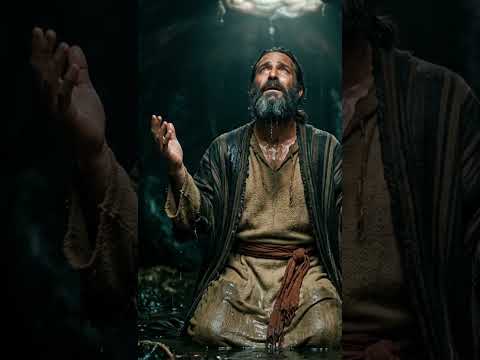
1Luego el Señor le habló a Jonás por segunda vez:
2“Ve de inmediato a la gran ciudad de Nínive, y anúnciales el mensaje que te doy”.
3Y Jonás hizo lo que Dios le dijo. Y se dirigió a Nínive, una ciudad que era tan grande, que se necesitaban tres días para atravesarla de a pie.
4Jonás entró a la ciudad caminando por un día, y gritaba: “¡En cuarenta días Nínive será destruida!”
5Y el pueblo de Nínive creyó en Dios. Anunciaron ayuno, y todos los habitantes, desde el más grande hasta el más pequeño, se vistieron de silicio.
6Cuando las noticias llegaron al rey de Nínive, éste se levantó de su trono, se quitó la túnica, se vistió de silicio y se sentó en cenizas.
7Entonces el rey y los nobles emitieron un mensaje a todo el pueblo de Nínive: “Ninguna persona, animal, rebaño de ovejas o bueyes comerá ni beberá nada.
8Cada persona y animal deberá vestir de silicio. Todos deben orar con sinceridad a Dios, renunciar a su maldad, y abandonar la violencia.
9¿Quién sabrá si Dios cambia de parecer y se arrepiente? De pronto decida no destruirnos con su ira”.
10Y Dios vio lo que habían hecho, y que abandonaron sus malos caminos, y cambió de parecer, y no llevó a cabo la destrucción que había anunciado.
📖 Chapter study
Summary
Jonah finally obeys and preaches in Nineveh; to everyone's surprise, the whole city, from the king to the common people, repents in fasting and ashes, and God decides not to destroy the city.
Explanation
Jonah's preaching is extremely simple — just a single sentence of judgment, with no explicit mention of repentance or mercy — yet the result is the fastest and most sweeping revival recorded in the Bible: an entire pagan city turns to God. The king steps down from his throne, puts on sackcloth, and decrees a fast even for the animals, an extreme gesture of humility rarely seen in any other biblical account. The key verse, 'God saw their works... and God repented of the evil,' does not mean that God changed in character, but that His merciful response genuinely corresponds to human repentance. The application for today: no person or city is beyond the reach of God's grace when there is a sincere willingness to change.
Fun facts
- The description of Nineveh as a city of 'three days' journey' likely includes the entire metropolitan area and surrounding farmland, not just the walls of the central city, since archaeological excavations show a smaller urban area — though still very large for its time.
- The custom of covering animals in sackcloth (v. 8) seems strange to modern readers, but it reflected a mourning and humility so total that it embraced all creation under the king's rule, a practice documented in other ancient Near Eastern cultures.