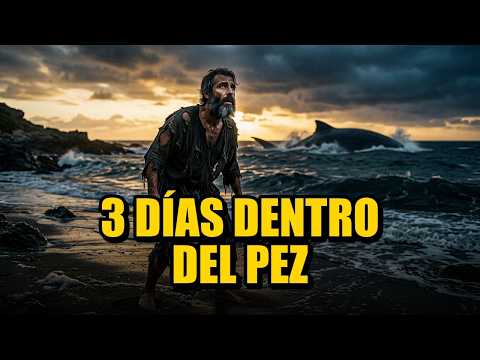
1Then Jonah prayed unto the Lord his God out of the fish’s belly,
2And said, I cried by reason of mine affliction unto the Lord, and he heard me; out of the belly of hell cried I, and thou heardest my voice.
3For thou hadst cast me into the deep, in the midst of the seas; and the floods compassed me about: all thy billows and thy waves passed over me.
4Then I said, I am cast out of thy sight; yet I will look again toward thy holy temple.
5The waters compassed me about, even to the soul: the depth closed me round about, the weeds were wrapped about my head.
6I went down to the bottoms of the mountains; the earth with her bars was about me for ever: yet hast thou brought up my life from corruption, O Lord my God.
7When my soul fainted within me I remembered the Lord: and my prayer came in unto thee, into thine holy temple.
8They that observe lying vanities forsake their own mercy.
9But I will sacrifice unto thee with the voice of thanksgiving; I will pay that that I have vowed. Salvation is of the Lord.
10And the Lord spake unto the fish, and it vomited out Jonah upon the dry land.
📖 Estudio del capítulo
Resumen
Desde el vientre del pez, Jonás ora a Dios, reconociendo que fue arrojado al mar por su propia desobediencia, pero confiando en que Dios lo rescataría; al final, el pez lo vomita en tierra firme.
Explicación
Esta oración poética, llena de lenguaje de salmos, muestra la transformación interior de Jonás: de la desesperación total ("echado soy de delante de tus ojos") a la confianza renovada ("mas aun veré tu santo templo"). La frase "la salvación pertenece á Jehová" resume toda la experiencia: incluso en nuestro peor momento de fracaso y desobediencia, la salvación sigue siendo obra de Dios, no una conquista humana. La propia obediencia del pez, que "vomita" a Jonás exactamente cuando y donde Dios lo determina, contrasta irónicamente con la desobediencia del profeta. La lección para hoy: el arrepentimiento sincero, aun viniendo del fondo del abismo, siempre encuentra la respuesta de Dios.
Curiosidades
- Esta oración está estructurada como un salmo clásico hebreo de alabanza y acción de gracias, con paralelos versículo a versículo con varios Salmos (como el 18, el 42 y el 69), lo que sugiere que Jonás usó formas litúrgicas conocidas para expresar su experiencia.
- Jesús hace referencia directa a este episodio en Mateo 12:40, comparando los tres días y tres noches de Jonás en el pez con los tres días que Él mismo pasaría en el sepulcro antes de la resurrección — conocido como "la señal de Jonás".